
Twenty-plus years across Aristocrat, Ainsworth, Bally Macau, TCS John Huxley, SenSen and Crown strategy taught me one thing: every casino classic has a messy backstory. Craps is no exception. What began as an English pub game called Hazard crossed the Atlantic, picked up new rules in New Orleans, and became the high-energy table game found in Aussie casinos today. The history explains why the table feels the way it does. Players curious about current bonus packaging can compare active listings at playcrocobonuscodes.com for a quick read on real terms.
Hazard, Ace-Deuce, and the First Craps Tables
Hazard was a 12th-century English dice game played across alehouses and barrack rooms, with rules that look familiar to anyone who has watched a stickman work a modern craps table. Players rolled two bones and called out their combinations, with terms like “main” and “chance” governing the next wager. The game crossed the Atlantic with English settlers, but it was in the riverboats and back rooms of New Orleans that it picked up the “ace-deuce” terminology still used by Aussie dealers today.
The American transformation came in the early 1900s, when a New York dice maker named John H. Winn introduced the “don’t pass” bet and fixed the table layout so the bank could cover all wagers. That single move ended the era of crooked operators who used weighted dice, and gave players a fair game they could bet against the house. Until then, most craps action was private, with one shooter choosing who could bet and who couldn’t. Winn’s standardised layout turned the game into a public casino product almost overnight.
From there, craps spread along the railway lines to Las Vegas, into the Caribbean, and eventually onto Australian gaming floors. The first legalised tables outside the US were in Havana and Puerto Rico, before the game made its way through Asian junkets in the 1990s. I watched the Macau rollout firsthand while working the Bally floor.
What the Craps Table Looks and Feels Like Today
Inside the Modern Craps Layout
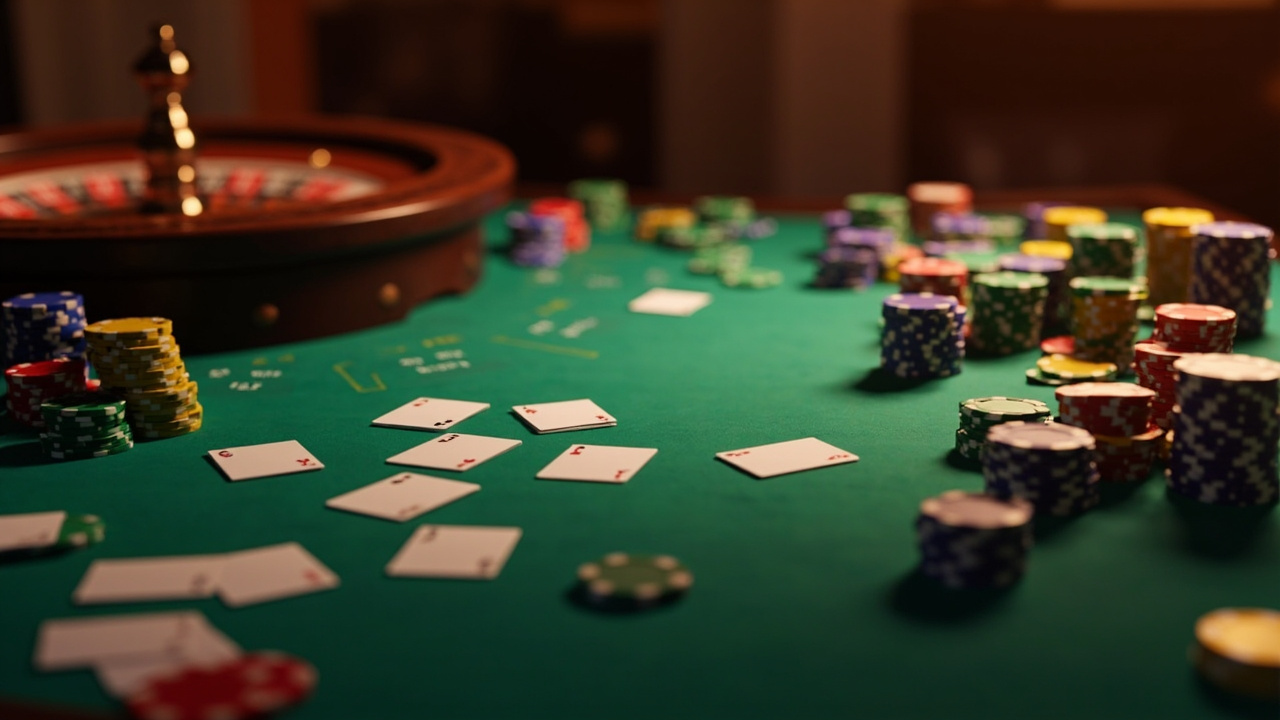
A standard craps table today is a long oval, with two mirror-image halves so the stickman can serve a full house of players at once. The felt shows the pass line, don’t pass bar, come and don’t come circles, plus a hardway cluster in the centre. Two-thirds of the layout is dedicated to single-roll proposition bets, which is why new players often get overwhelmed their first time at the table. The pace is brisk: a shooter can run dozens of decisions in an hour, and the table maximum caps the largest allowed bet the casino will accept on any single wager. The minimum-to-maximum spread varies by licence and venue, but every regulated floor publishes it clearly on a placard, so you always know the ceiling before you reach for your chips.
Why the Game Spread So Quickly
Three things pushed craps past blackjack and roulette as the most social table game in any casino. First, every player at the table bets on the same outcome, which builds a tribal energy you simply do not get at a blackjack shoe. Second, the stickman and boxman run a kind of theatre: the call-and-response of “dice are out” and “seven out, line away” turns a dice roll into a shared ritual. Third, the house edge is comparatively thin on the pass line, so shooters who ride a hot hand can rack up meaningful wins over a single session.
The game also travels well. You can run a legalised craps pit on a cruise ship, in a high-roller salon in Macau, or on the lower floor of a CBD casino in Sydney. The format has defo moved online through live-dealer studios, and the same stick calls translate to a webcam surprisingly well. The next wave is mobile-friendly simplified craps, with the layout shrunk to a single screen and proposition bets hidden behind a menu. It is not the traditional game, but the same DNA runs through it, and younger players who reckon they will never set foot in a casino are finding their way to the felt that way.
What the History Means for Your Night at the Table
Knowing the origin of craps is not trivia, it is practical. When you understand the game came from English pub dice, the etiquette starts to make sense: the stickman keeps the dice moving, the boxman guards the bank, and the shooter gets the same ritual respect a private Hazard game once gave to the roller. The pace, the slang, the social contract all trace back to a simpler English game with fewer bets.
Once you accept that, the modern layout becomes a tool, and the table’s colour starts to make sense. You can ignore two-thirds of the felt, stick to the pass line with odds, and let the proposition bets sit. Anyone telling you a hardway is “due” or a hot shooter can outrun the house edge is selling a story. Anyone stepping from the felt onto a screen, this balanced real money approach walks through bankroll discipline, table limits, and the mental side of shooting dice online.
From my years inside Crown strategy, venues running a proper craps pit treat the floor like a product, and the proof shows in stick-call training, dice checks, and chip audits. From Darwin’s air-conditioned CBD casino in the dry season to a Friday night pit in Sydney, the table you walk up to is the same product John Winn wrote ages ago.
Craps rewards players who learn the history and the layout. Once you realise it is a centuries-old English pub game wrapped in modern felt, the table stops feeling intimidating and starts feeling like a craft. You need a clear head, a bankroll you can afford to lose, and the willingness to ignore the proposition bets. Have you rolled the bones on a quiet arvo lately, and if so, what is the first bet you place at the craps table?
Quick terms
- Hazard: the English pub dice game craps evolved from.
- Pass line: the main even-money bet on the shooter’s first roll.
- Don’t pass: betting against the shooter, the mirror of the pass line.
- Hardway: a bet that a specific double is rolled before a 7.
- Proposition bets: single-roll wagers in the centre of the layout with the highest house edge.
- Table maximum: the largest single bet the casino will accept on the table.